Buenos Aires, Dec 1 (NA) – Amid difficulties in finalizing agreements, 'Provincias Unidas' and the UCR were concluding the definition of their respective blocs to embark on a new phase following the parliamentary renewal in the Chamber of Deputies.
On the 'Provincias Unidas' side, deputies from 'Encuentro Federal' Miguel Ángel Pichetto and Nicolás Massot moved a step closer to joining a common interbloc as an independent bench, which would bring the total membership to 15, learned the Argentine News Agency (NA).
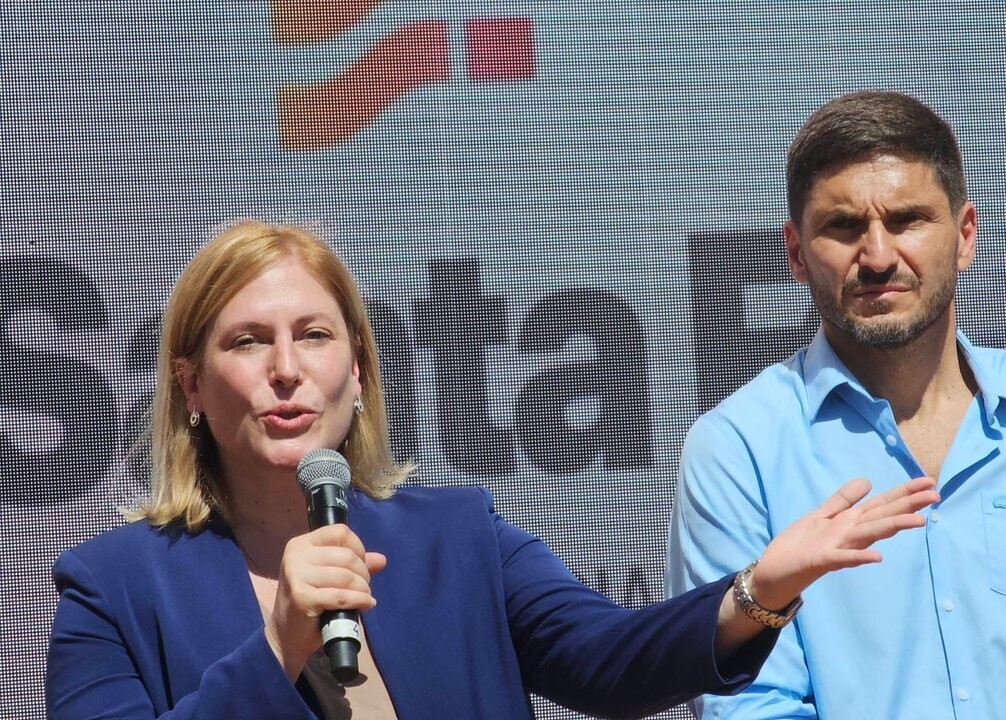
Last week, Pichetto suspended dialogue and walked away from the negotiating table after learning through the press that the governor of Santa Fe, Maximiliano Pullaro, wanted to impose his lieutenant governor and elected deputy, Gisela Scaglia, as the head of the interbloc.
The veteran lawmaker felt this was an affront and a lack of respect for his long career. A few days earlier, the deputies from the province of Córdoba, with the backing of Governor Martín Llaryora, had conveyed that they had no problem recognizing him as the head of the interbloc.
"We don't know what happened. There was no respect for protocol," complained high-level parliamentary sources from 'Encuentro Federal,' the political space led by Pichetto.
"If you have a political heavyweight of Miguel's stature, you should take advantage of it. Today 'Provincias Unidas' is a good political project but not an alternative. Gisela (Scaglia) could be a great deputy, but in the entire chamber, only ten deputies have the oratory skills and political leadership to be bloc leaders," they argued.
Despite the justified anger, the Rionegro native and Massot were caught between a rock and a hard place: if they risked striking out on their own with a separate bloc, they would lose any chance of joining legislative commissions.
"The heat from last week has cooled, and we are analyzing it. We will see if it holds together," the source consulted outlined.
The UCR bloc scenario
Facing numerous obstacles, the UCR is preparing to form a bloc of only eight national deputies, a figure that is at a historic low since the return of democracy.
The most heated discussion at the moment revolves around who will take the presidency of this bloc. The main contenders are Pamela Verasay, who has the endorsement of Mendoza Governor Alfredo Cornejo, and the 'roofless' Buenos Aires native Karina Banfi, who is currently the vice president of the radical bloc.
The other members of the bloc would be the Mendoza native Lisandro Nieri, the Jujuy native María Inés Zigarán, the Chaco natives Gerardo Cipollini and Guillermo Agüero, the Entre Ríos native Dario Schneider, and the Corrientes native Diógenes González.
Regarding the latter, it was speculated that he would join 'Provincias Unidas,' but as his province's governor, Gustavo Valdés, is on track to preside over the UCR National Committee, it would look bad for his protégé to join a bloc outside the century-old party.
"Perhaps he had some agreement to get his lieutenant governor out of the province. Pullaro was very inflexible."